Strong connection to Country Wurruk
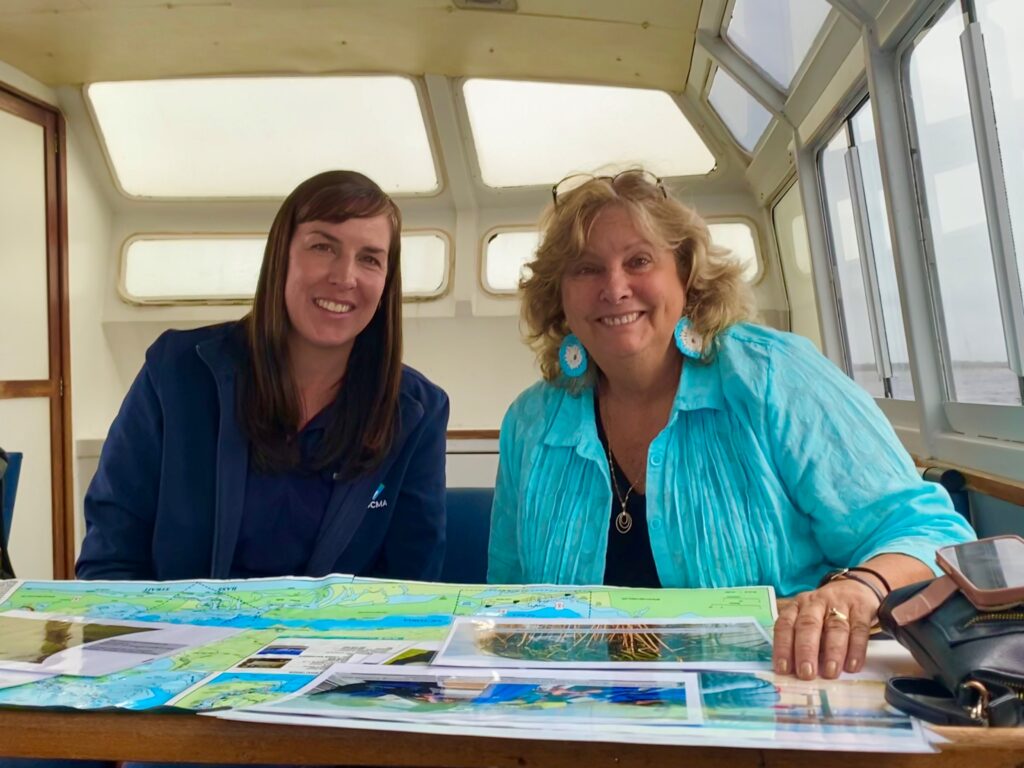
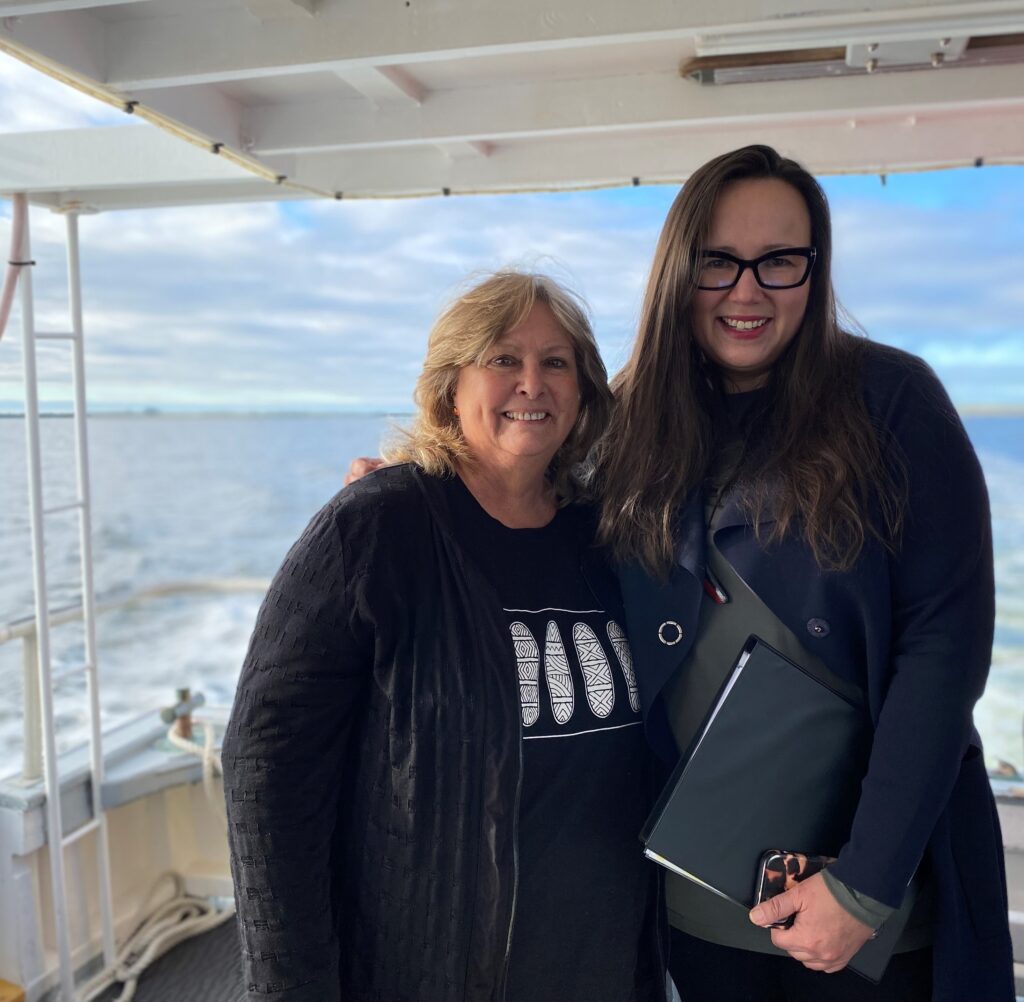
🖤 💛 ❤️ This NAIDOC, meet and hear from Glenys Watts – Chair of the Gippsland Lakes Coordinating Committee that oversees the Love Our Lakes program.
“The Gippsland Lakes are part of the Traditional Lands and Waters of the Gunaikurnai People, who have cared for Country for tens of thousands of years and are continuing to have a say in how the lakes are cared for.
The Gippsland Lakes are so special with the different coastal lagoons and fringing wetlands that cover approximately 60,000 hectares; fed by five major rivers spread across a catchment of over 20,000 square kilometres connected to the ocean at Lakes Entrance.
My family are from Gippsland – Peppers, Thorpes and Hudson. My mum was born at Lake Tyers and we have cousins aunts and uncles all living in this area.
My connection to Country Wurruk is really strong through my family heritage and stories that have been passed down to each generation. I have three children and four grandchildren.
I was involved in the Gunaikurnai negotiations with their Native Title since before 1997 and when we put our Aspirations up to the State Government in 2008. I applied to be a member of the Gunaikurnai negotiation team, one of 10 Gunaikurnai people who worked on the Gunaikurnai Settlement Agreement. Working alongside Elders and community members to care for country, water ways and National Parks.
My approach to work is based on social justice and community development principles as that was my area of study. After working for 15 years in Aboriginal Policy, cultural heritage and Developing the Willim Warrain Gathering place for the Mornington Peninsula Shire Aboriginal community, I moved back to Gippsland 10 years ago.
I am currently on the Board of the Gunaikurnai Land and Waters Aboriginal Corporation (GLAWAC) and Chairperson of the Traditional Owner Land Management Board which is looking at developing four more park plans for Joint Managed Parks between GLaWAC, DEECA and Parks Victoria bringing it up to 14 across Gippsland.”
This NAIDOC Week, and every day, we say tanks for all you do Glenys and happy NAIDOC everyone!