New homes for native fish, seagrass friendly moorings, annual pelican counts, renourishing islands for endangered birds and much more – that’s the dynamic Gippsland Lakes program in action with achievements detailed in the latest Program Summary Report (PDF 5.3 MB) demonstrating the importance of collaborative, sustained effort.
The precious series of coastal lagoons and fringing wetlands covers over 60,000 hectares and is fed by five major rivers across its 20,000 square kilometre catchment that connects to the ocean at Lakes Entrance.
The program operates under the Love Our Lakes banner to deliver innovative, collaborative projects informed by the Gippsland Lakes Ramsar Site Management Plan with the Gippsland Lakes Priorities Plan identifying the highest priority management actions.
Over the three-year program, 22 regional partners planned and delivered 34 projects, with an additional 15 Community Grant projects and 17 Ramsar specific projects. Challenges were tackled through a collaborative approach resulting in projects successfully delivered on the ground.
Across the entire three-year program, efforts built on previous works and created pathways for future successes with highlights including:
- 1,500ha Cultural assessments and four projects led and delivered by Gunaikurnai Traditional Owners
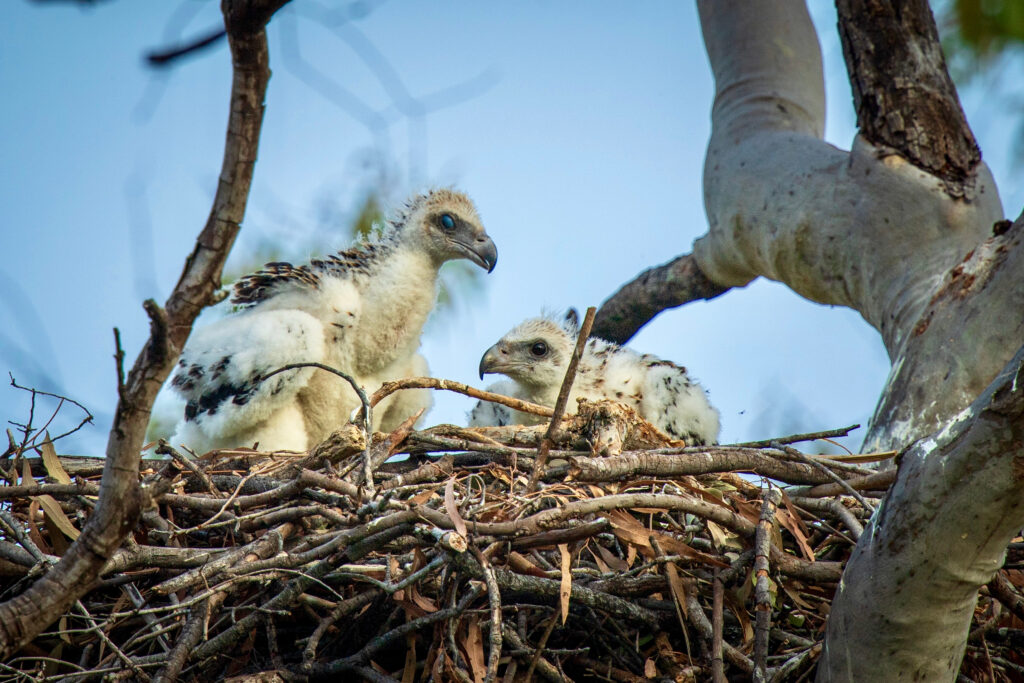
- Once in a decade White-bellied Sea-eagle surveys recorded, 45 active nests
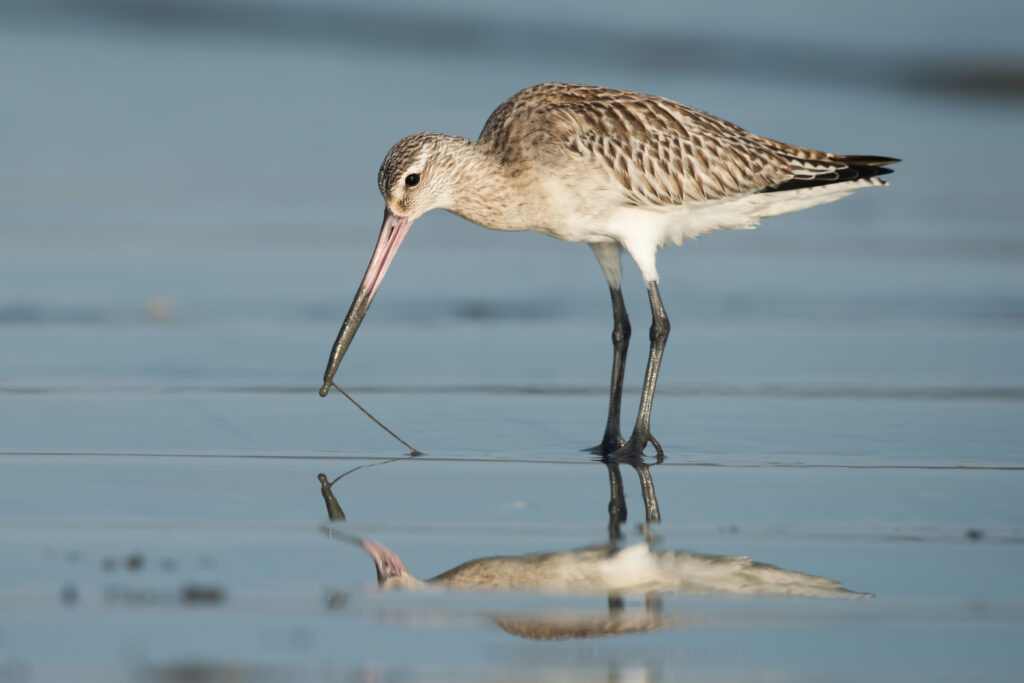
- Six hectares of sand renourishment to create habitat for threatened birds
- Ten seagrass restoration trial sites established
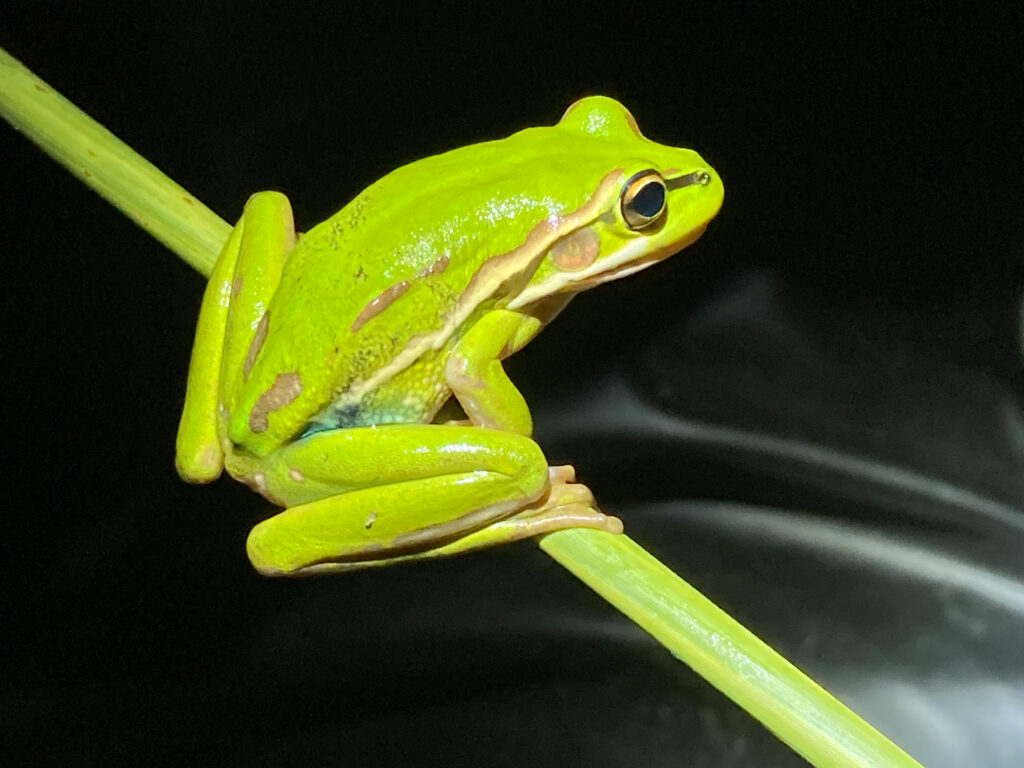
- Fifteen ‘frog bog’ wetlands installed to improve habitat for threatened frogs
- Three seagrass restoration trial sites established
- Five fish habitats created and native fish released
- Thirty threatened Dwarf Kerrawang plants translocated into Blond Bay
- Endangered wildlife protected through 27,700 hectares of pest animal control
- Waterways connected and protected through 2,250 hectares of weed control and 130 hectares of revegetation to connect and create wildlife habitat
- Local community and partners involved through 130 partnerships
- Rivers, wetlands and important habitat protected with 43 kilometres of protective fencing and bollards installed.