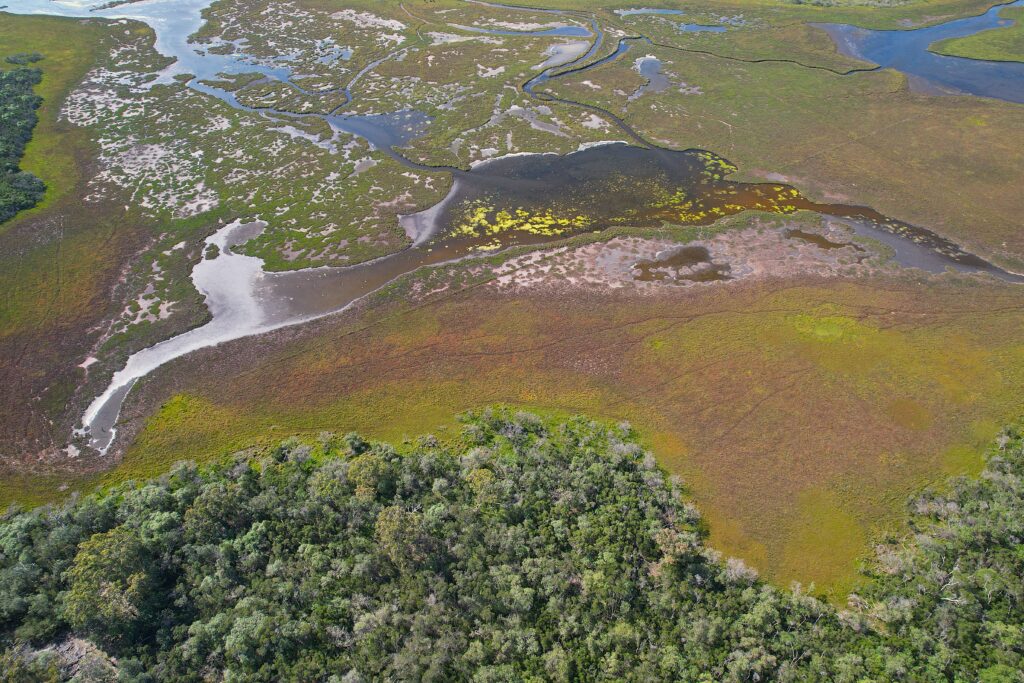
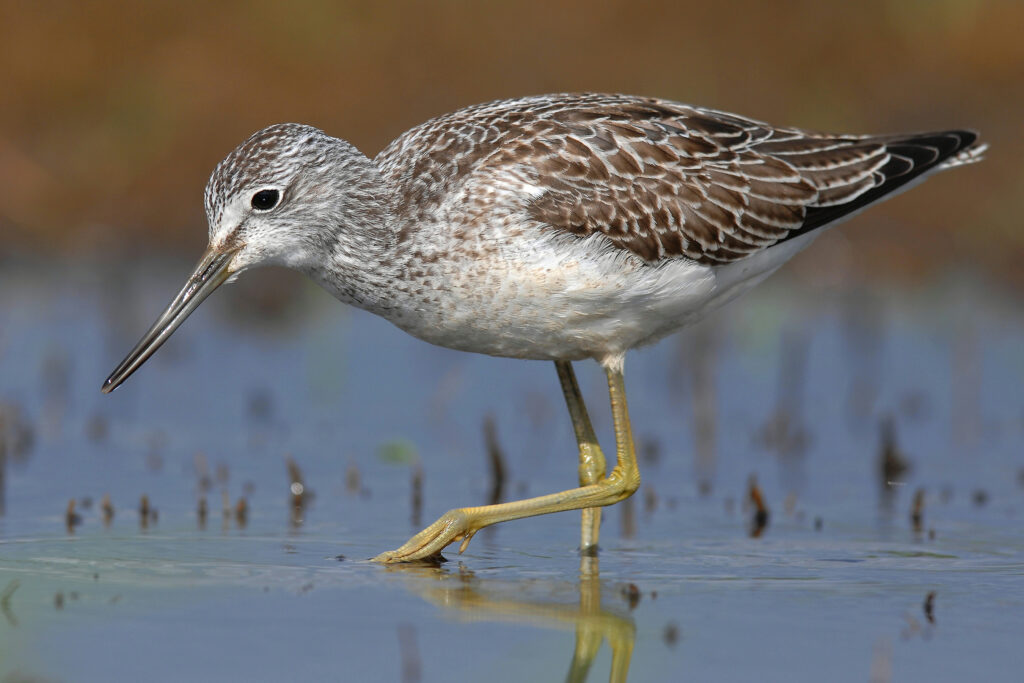
The Gippsland Lakes are important to the Gippsland community and support important cultural, social, environmental and economic values. Most of the Gippsland Lakes system has international recognition as a Wetland of International Importance through the Ramsar Convention. Information on the health of the Lakes is constantly being gathered and updated. From time to time this monitoring information is compiled to report on the condition of the lakes, evaluate the status of monitoring programs and identify areas for improvement.
This Gippsland Lakes Environment Report assesses the current condition of the Lakes based on most recent available data. It also highlights some key knowledge gaps and importantly establishes a framework for future condition assessments.
The following documents are available for download.
- 2024 Gippsland Lakes Environmental Report (PDF – 4MB)
- Water Quality Key Facts – Nutrients and algal blooms (PDF – 2MB)
- Water Quality Key Facts – Salinity and dissolved oxygen (PDF – 1MB)
- Water Quality Key Facts – Turbidity and seagrass (PDF – 1MB)